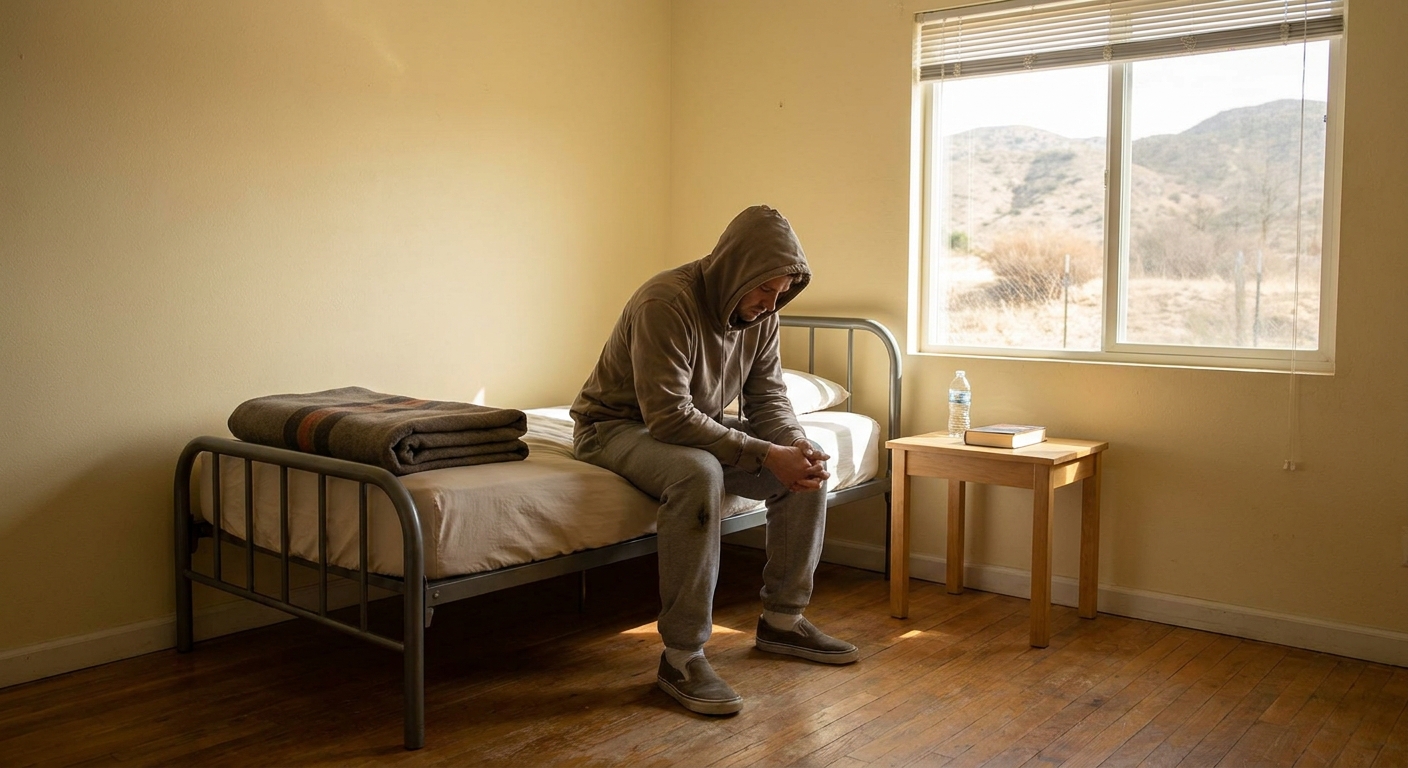
Yes, there is outpatient treatment for opioid addiction, and it works. Millions of Americans manage opioid use disorder through structured outpatient programs every year, keeping their jobs, their families, and their lives intact while receiving clinical care. If you’ve been wondering whether outpatient is a real option or just a stopgap, the answer is clear: it’s a full level of care backed by decades of research and recognized by every major federal health authority.
What outpatient treatment for opioid addiction actually means
Outpatient treatment for opioid addiction is structured, clinically supervised care that does not require an overnight stay. You attend scheduled sessions at a treatment facility and return home afterward. That’s the core distinction, but the word “structured” is doing a lot of work in that sentence. Outpatient care is not informal support, self-managed tapering, or simply talking to a doctor once a month. It includes individual counseling, group therapy, clinical assessments, urine screenings, and coordination with prescribing providers when medication is part of the plan.
According to the Substance Abuse and Mental Health Services Administration, more than 1.6 million Americans received treatment for opioid use disorder in 2022, with the majority of those treated in outpatient settings. Outpatient is not a lesser version of inpatient care. It is a distinct, evidence-based level of care with its own clinical protocols, its own research base, and its own proven outcomes. The American Society of Addiction Medicine recognizes multiple levels of outpatient care in its widely used patient placement criteria. Choosing outpatient over inpatient is not settling for less. It is choosing the level of care that fits your clinical picture.
The levels of outpatient Care, and how they differ
Outpatient treatment is not a single program. It’s a spectrum, and placement on that spectrum depends on the severity of your addiction, your living situation, your support system, and your schedule. Understanding the three main tiers helps you ask smarter questions when you call a program’s intake line.
Standard outpatient programs (OP)
Standard outpatient programs typically involve one to three sessions per week, each lasting one to two hours. A typical week might include one individual counseling session and one group session, with periodic check-ins for medication management if applicable. Standard OP is best suited for people with stable housing, a reliable support network at home, and lower-severity opioid use disorder. It’s also a common step-down level after completing IOP, allowing you to maintain therapeutic contact while reintegrating more fully into daily life.
Intensive outpatient programs (IOP)
Intensive outpatient programs require nine or more hours of structured programming per week, typically spread across three to five days. Most IOP schedules run in the morning or evening specifically so people can keep working. A morning track might run from 8 a.m. to 11 a.m.; an evening track from 5 p.m. to 8 p.m. The programming includes group therapy, individual counseling sessions, psychoeducation on addiction and recovery, and coordination with outside providers for medication needs.
IOP is the most common entry point for working adults managing employment and family obligations. It’s also where the real clinical work happens: group sessions build accountability, individual sessions go deeper on the patterns driving use, and the structure itself provides a daily anchor during early recovery. For many people with opioid use disorder, IOP delivers the intensity of treatment their situation requires without requiring them to leave their lives behind.
Partial hospitalization programs (PHP)
PHP sits at the top of the outpatient spectrum, typically involving 20 to 30 hours of structured treatment per week. Think of it as a day program: you’re in treatment from morning until mid-afternoon, then home at night. PHP is appropriate for people stepping down from inpatient care who still need substantial clinical support, or for people whose addiction severity requires more than IOP but who don’t need 24-hour medical supervision. If you have a safe place to sleep and no acute medical complications requiring overnight monitoring, PHP can provide near-residential intensity while letting you maintain some connection to home life.
How medication-assisted treatment works in an outpatient setting
Medication-assisted treatment (MAT) combines FDA-approved medications with counseling and behavioral therapies to treat opioid use disorder. In outpatient settings, MAT is integrated directly into the treatment plan. A 2020 analysis published in the New England Journal of Medicine found that patients receiving buprenorphine or methadone in outpatient settings had significantly lower rates of opioid use and overdose mortality compared to those receiving no medication. MAT is not a shortcut or a substitute for recovery work. It is a clinical tool that reduces cravings and withdrawal symptoms enough for people to actually engage in therapy.
When evaluating any outpatient program, ask specifically whether MAT is available or coordinated. That one question tells you a lot about how seriously a program approaches evidence-based care.
It’s worth noting that not every outpatient counseling program dispenses medications directly. Programs that don’t provide on-site medication can still help you find the safest starting point and connect you with a prescribing provider who does. If you’re currently using opioids, talking with a medical provider about withdrawal management and medication options before starting treatment is genuinely important for your safety. A good intake counselor will help you navigate that step.
Buprenorphine (suboxone)
Buprenorphine is a partial opioid agonist, meaning it activates opioid receptors in the brain but produces a ceiling effect that limits the euphoria associated with full agonists. At therapeutic doses, it reduces cravings and blunts withdrawal without producing a significant high. Critically, certified outpatient providers can prescribe buprenorphine for home use. You don’t have to visit a clinic every day. That take-home prescribing model is precisely what makes outpatient treatment viable for someone with a job, children, or transportation barriers in a spread-out region like the Inland Empire.
Methadone
Methadone is a full opioid agonist dispensed through licensed opioid treatment programs, known as OTPs. In California, OTPs are community-based outpatient clinics. They are not hospitals. Early in treatment, most patients pick up their dose daily, but as treatment progresses, take-home doses become available based on clinical stability. Methadone has been used to treat opioid use disorder since the 1960s and has one of the strongest evidence bases of any treatment in addiction medicine. If daily clinic visits feel burdensome, it helps to know that consistent attendance is itself part of how the treatment builds structure in early recovery.
Naltrexone (vivitrol)
Naltrexone is an opioid antagonist. Rather than activating opioid receptors, it blocks them entirely, meaning opioids taken while on naltrexone produce no effect. The monthly injectable form, Vivitrol, is particularly practical for people who don’t want to manage a daily medication. One shot per month eliminates the daily decision. The important caveat: naltrexone requires complete opioid detoxification before starting. Taking it while opioids are still in your system triggers immediate, severe withdrawal. A medical provider needs to supervise the transition.
Outpatient vs. inpatient: choosing the right level of care
The choice between outpatient and inpatient is a clinical decision, not a reflection of how serious you are about recovery. Inpatient is not automatically better. It is more appropriate for specific clinical presentations, and placing someone in inpatient care when outpatient would suffice doesn’t improve outcomes.
The American Society of Addiction Medicine’s Patient Placement Criteria, the standard framework used across the country, identifies several factors that point toward outpatient as the appropriate level: a stable home environment, no severe co-occurring medical conditions requiring 24-hour monitoring, adequate social support, and the ability to maintain safety outside a facility. If your situation includes those conditions, outpatient is clinically appropriate, not a compromise.
Inpatient becomes the right call when withdrawal poses serious medical risk, when the home environment is actively destabilizing, when a prior outpatient attempt has failed due to insufficient structure, or when co-occurring psychiatric conditions require close monitoring. These are clinical criteria, not moral judgments. No one chooses inpatient because they want it more than outpatient. The level of care should match the clinical need.
What outpatient treatment actually looks like week to week
Here’s what a realistic week in an IOP might look like for someone working full time in the Inland Empire. Monday, Wednesday, and Friday evenings from 5 to 8 p.m., you attend group therapy sessions at the clinic. Group covers topics like relapse triggers, coping skills, family dynamics, and the patterns beneath the substance use, including how stress, work pressure, depression, or past trauma have interacted with opioid use in your specific situation. On Thursday, you have a 50-minute individual counseling session.
Periodically, you provide a urine screen at the clinic. This isn’t surveillance. It’s a clinical tool that keeps you and your counselor informed, and it provides documentation if your treatment is court-ordered. If you’re working with an outside provider on medication, telehealth appointments fit into the schedule without requiring additional travel. After six to eight weeks of IOP, the clinical team reviews your progress and may recommend stepping down to standard outpatient, which means two sessions per week rather than three, and eventually one.
The structure is the point. Early recovery is harder when each day is unscheduled and unpredictable. IOP provides a regular framework without consuming every waking hour.
If opioid use disorder is running alongside other substances, which is common, that gets addressed in the same plan. Understanding how multiple substances affect recovery together matters here, because the counseling approach adjusts when opioids and stimulants or alcohol are both part of the picture.
Why outpatient produces strong long-term outcomes
A persistent misconception is that outpatient produces weaker outcomes than inpatient, or that it’s reserved for mild cases. The research doesn’t support that. A 2020 study published in JAMA Psychiatry examining data from more than 40,000 patients found that patients with opioid use disorder treated with medication in outpatient settings had retention rates and reduced opioid use outcomes comparable to more intensive levels of care when treatment was matched appropriately to clinical need.
The mechanism behind outpatient’s effectiveness is actually one of its structural features. When you receive treatment while continuing to live your daily life, the skills you build in group and individual sessions are practiced immediately in the real environment where your triggers exist. You’re not insulated from stress, difficult relationships, or neighborhood-level exposure to substances. You’re building recovery skills in the same context where you’ll need to use them after treatment ends. That real-world integration during treatment is not a weakness of outpatient care. It’s one of its strengths.
Who is a strong candidate for outpatient treatment
Outpatient programs are designed to serve a wide range of people, and the audience in Riverside County reflects that range directly.
Working adults who cannot step away
IOP schedules are built around employment. Morning and evening tracks exist precisely so you don’t have to choose between treatment and a paycheck. If you’re managing a job, childcare, or a household and can’t disappear into a 30-day residential program, outpatient is designed for your situation. Many programs also offer telehealth components for individual sessions, reducing the number of in-person trips required each week.
People returning from incarceration
Outpatient programs, including those that accept Medi-Cal, are a primary reentry resource for people coming out of jail or prison who are managing opioid use disorder. Incarceration dramatically increases overdose risk in the immediate reentry period, and connecting with an outpatient program quickly reduces that risk significantly. Programs in the Inland Empire routinely work with courts, probation departments, and parole officers, and are accustomed to coordinating documentation and communication with those systems.
People under court orders or probation conditions
If your treatment is court-mandated, a licensed outpatient program issues official documentation for courts, judges, and probation and parole officers. Attending a licensed program in California satisfies legal requirements. The intake team handles that paperwork. You don’t need to navigate it alone, and you don’t need to be confused about whether outpatient attendance counts. It does.
Spanish-speaking individuals and families
Licensed outpatient programs in Riverside County serve Spanish-speaking clients, with sessions and individual counseling available in Spanish. Family involvement is also a standard component of many programs. If you’re a family member researching options for someone you care about, you are already part of the treatment ecosystem. Outpatient programs recognize that addiction affects families, and they build that into the structure of care.
How insurance and medi-cal cover outpatient treatment
Cost is one of the most common reasons people delay seeking treatment, and it deserves a direct answer. The Mental Health Parity and Addiction Equity Act requires most insurers to cover substance use disorder treatment at the same level as other medical care. That’s federal law, not a benefit that varies by insurer’s generosity.
California Medi-Cal covers outpatient SUD treatment, including IOP and MAT, at no cost to eligible members. According to the California Department of Health Care Services, Medi-Cal members can access outpatient counseling, IOP, and medication-assisted treatment through the Drug Medi-Cal Organized Delivery System. PPO plans typically cover IOP and PHP with prior authorization. The practical step: call the program’s intake line before your first appointment and ask them to verify your benefits. Most intake teams do this routinely and can tell you within a day what your out-of-pocket cost will be. Don’t let uncertainty about cost stop you from making the call.
Common misconceptions about outpatient treatment
A few persistent myths keep people from starting outpatient care or from taking it seriously when they do start.
“Outpatient is only for mild addiction”
This is false. PHP and IOP treat moderate to severe opioid use disorder routinely. The American Society of Addiction Medicine’s patient placement criteria do not reserve outpatient for mild cases. Severity is one factor in determining level of care, but it doesn’t automatically point toward inpatient. A person with severe opioid use disorder who has stable housing, strong social support, and no acute medical complications is a clinical candidate for outpatient. Outpatient programs serving the Inland Empire address opioid use alongside co-occurring depression, anxiety, trauma, and stimulant use within the same treatment plan.
“You have to hit rock bottom first”
Earlier intervention produces better outcomes than waiting for crisis. A 2019 study published in Drug and Alcohol Dependence found that patients who entered treatment at lower severity levels had higher rates of sustained remission at two-year follow-up compared to those who entered in acute crisis. If you’re asking whether things are bad enough to get help, that question is the reason to call. Waiting for a more dramatic bottom means accumulating more damage, not building more readiness.
“Outpatient doesn’t work if you’ve already relapsed”
Relapse during or after treatment is a clinical event, not a moral failure, and it doesn’t mean outpatient doesn’t work for you. A 2018 analysis in the Journal of Substance Abuse Treatment found that relapse rates across all treatment modalities for opioid use disorder are comparable to relapse rates for other chronic conditions like hypertension and diabetes, in the range of 40 to 60 percent. Returning to outpatient care after a relapse is the standard clinical recommendation. The program adjusts, the clinical team recalibrates, and treatment continues. Nobody here is treated like a criminal for experiencing a relapse.
For people whose opioid use developed from a legitimate prescription, the path into outpatient care can feel less obvious. Recognizing the signs that prescription drug use has shifted into dependence is often the first step toward making that call.
Frequently asked questions
How long does outpatient treatment for opioid addiction typically last?
Length of treatment varies by individual. IOP typically runs eight to twelve weeks, followed by a step-down to standard outpatient for another two to three months. Medication-assisted treatment, if part of the plan, may continue for a year or longer. SAMHSA guidelines note that longer treatment duration is consistently associated with better outcomes, so there is no clinical benefit to rushing the process.
Can I work while attending an outpatient program?
Yes. IOP programs are specifically designed around working schedules. Morning tracks and evening tracks are standard. If your employer offers an employee assistance program (EAP), it may also cover a portion of your treatment costs and offer job protection under the Family and Medical Leave Act for the time you need for appointments.
What happens during the first appointment at an outpatient program?
The first appointment is typically an intake assessment. A clinician gathers information about your substance use history, physical health, mental health, living situation, and what’s brought you to treatment now. This is not an interrogation. The purpose is to match you with the right level of care and build an initial treatment plan. It usually takes 60 to 90 minutes.
Does outpatient treatment address mental health issues alongside opioid addiction?
Yes. Co-occurring depression, anxiety, trauma, and anger are addressed within the same outpatient treatment plan. Treating substance use in isolation from the underlying emotional and psychological patterns that drive it produces weaker outcomes. A good outpatient program treats the whole picture, not just the opioid use.
Is outpatient treatment confidential?
Federal law under 42 CFR Part 2 provides substance use disorder treatment records with strong confidentiality protections, in some cases stronger than standard HIPAA protections. Your treatment information cannot be shared with your employer, family members, or law enforcement without your written consent. If your treatment is court-ordered, there are specific protocols governing what information is shared with the court.
How do I find outpatient treatment for opioid addiction in riverside county?
Start by calling a licensed outpatient program directly. Programs serving Riverside and the surrounding Inland Empire communities can verify your insurance, explain their schedule options, and walk you through the intake process in the same phone call. Ask whether they offer MAT coordination, what their scheduling options are, and whether services are available in Spanish if needed. That one call is the entire first step.