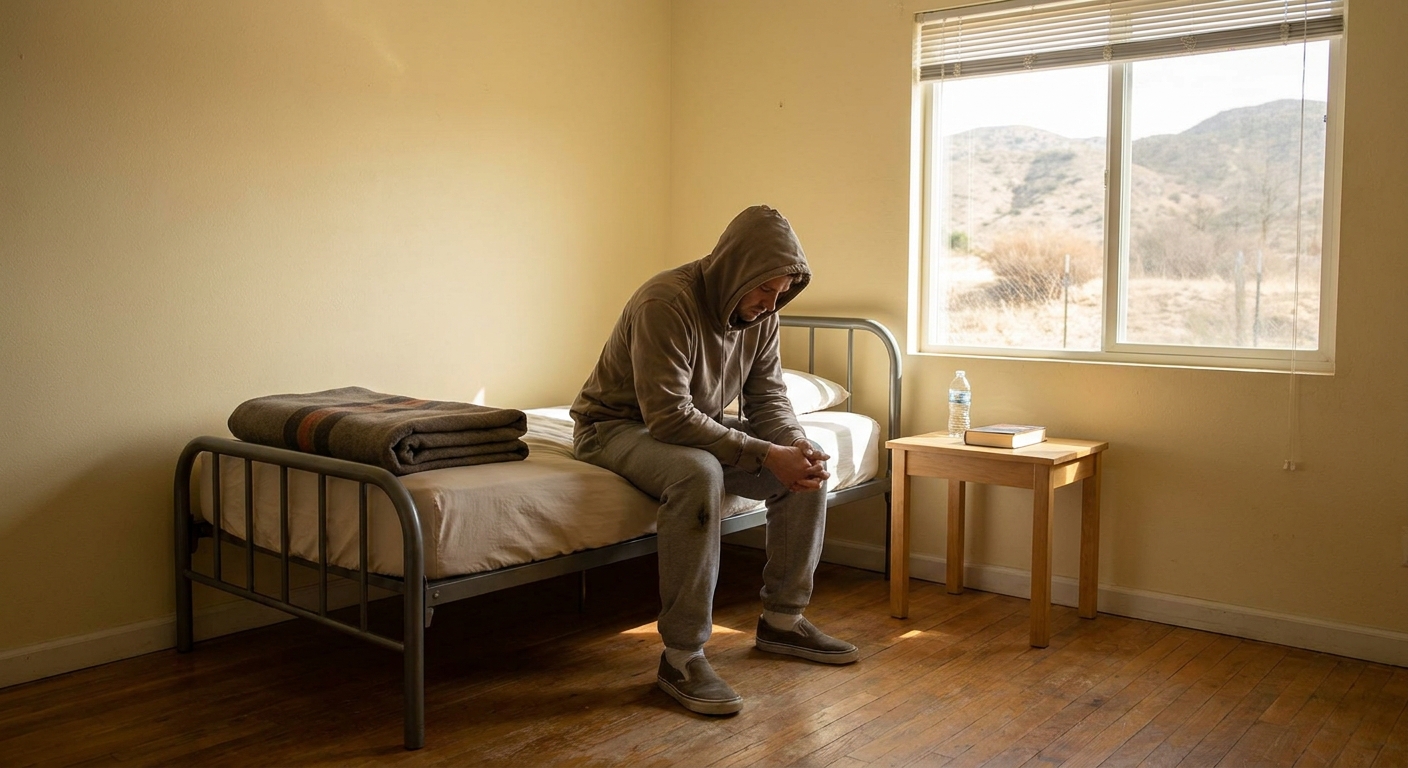

The psychiatrist said “dual diagnosis” and you nodded, but by the time you reached the car you realized you had no idea what caused it. Maybe the depression came first and led to the drinking. Maybe the opioids rewired something and let the anxiety take over. Maybe it was both, all along. You know your loved one’s substance use and mental health are tangled together, but you cannot trace how it started or why both showed up in the same person. So that night before calling Riverside Recovery you type the question into your phone: what are the potential causes of a dual diagnosis, and does knowing them change what happens next?
Knowing the causes may change what happens next. A dual diagnosis almost never has one cause. It usually grows from several pressures working together: inherited vulnerability, changes in brain chemistry, painful past events, and the strain of daily life. Once you can see which of these may be part of your loved one’s story, you can tell the difference between care that aims to treat the whole picture and care that treats only half of it. Riverside Recovery serves people and families in Riverside and Lake Elsinore without stigma, bias, or judgment, offers care from medical detox through outpatient aftercare, and accepts Medicaid as well as private pay. This guide explains each potential contributing factor in plain language so you can walk into your next conversation with clearer questions.
What Is a Dual Diagnosis, and Why Do Both Conditions Show Up in the Same Person?
A dual diagnosis means a person has a substance use disorder and a mental health condition at the same time. The two conditions may share roots, which is why they sometimes appear together rather than by coincidence.
Common pairings include alcohol use disorder with depression, opioid use disorder with an anxiety disorder, stimulant use with bipolar disorder, and heavy drinking alongside post-traumatic stress disorder (PTSD). MedlinePlus, the National Library of Medicine’s health resource, explains that the relationship can run in either direction. Sometimes the mental health problem comes first, and a person uses alcohol or drugs because they bring temporary relief. Other times the substance use comes first and, over time, may contribute to emotional and mental health problems. In many families, nobody can say for sure which came first, and that uncertainty is normal.
This overlap is common enough that an Australian Senate committee reviewing mental health services titled its chapter on the subject Dual diagnosis: “The expectation not the exception”. That phrase is worth holding onto. If your son, daughter, or spouse has both conditions, they are not unusual or beyond help. They are living with a combination that treatment providers may see regularly and be prepared to address.
You may be wondering whether this explains why past treatment did not last, and that fear makes sense. If someone receives help for their drinking while untreated depression remains active, or receives medication for anxiety while opioid use continues, the untreated condition may undermine progress on the other. Understanding the shared potential causes below is the first step toward care that aims to address both at once, so let’s start with the one that often begins before anyone takes a first drink.
Did Family History Set the Stage Before the First Drink?
Family history is one of the most significant potential contributing factors in a dual diagnosis. Genes do not decide anyone’s future, but they can make a person’s brain more sensitive to both addiction and mental health conditions such as depression, anxiety, or bipolar disorder.
The National Institute on Drug Abuse lists genetics among the risk factors that substance use disorders and other mental illnesses share. NIDA also points to epigenetics, the way life experiences such as stress can change how genes are switched on or off. This matters because the brain systems involved in addiction and mental illness overlap. The circuits that handle reward and motivation, the system that releases stress hormones, and the chemical messengers that steady mood all play a part in both. A person who inherits a more reactive stress system or a less stable mood system may find that alcohol or drugs bring relief much sooner, and pull harder, than they would for someone else.
You may recognize this in your own family tree once you start looking. Perhaps a parent drank every evening and was also the “nervous” one whose anxiety nobody ever named or treated. Perhaps an uncle had wild mood swings the family called “his temper.” Perhaps a sibling has struggled with opioids and with highs and lows that look a lot like bipolar disorder. Families often see the addiction side clearly and miss the mental health side, because a generation ago no one had words for it.
None of this is about blame. Nobody chooses their genes, and a family history of both conditions is a risk factor, not a sentence. In practice, it is useful information. When you call Riverside Recovery for an assessment, tell the team who in your family struggled with drinking, drug use, depression, anxiety, or mood problems, even if those struggles were never diagnosed. That history may help clinicians look for a mental health condition that might otherwise stay hidden behind the substance use.
Is the Drug Causing the Anxiety, or Covering It Up?
Genes set the stage, but substances themselves also reshape the brain, and the answer to this question is often both. Drugs and alcohol change the brain’s chemical messengers, and over time those changes may trigger anxiety, depression, paranoia, or mood swings. They can also uncover a condition that was there all along.
Alcohol shows this two-sided effect clearly. Because it is a depressant, it calms the nervous system at first. With heavy daily use, though, the brain pushes back by turning up its own excitatory activity to stay balanced. When the drinking stops, nothing holds that pushback in check. The result can be rebound anxiety, racing thoughts, and poor sleep, and in serious cases dangerous withdrawal that needs medical care. This is one reason Riverside Recovery’s continuum begins with medical detox and withdrawal management. Once the sedation lifts, a low mood that the alcohol was muffling may also become plain to see. Clinicians often watch symptoms over several weeks without alcohol to help tell whether the depression came from the drinking or is an independent condition that may need its own treatment.
Stimulants such as methamphetamine and cocaine work differently. They flood the brain with dopamine and norepinephrine, which produce energy, focus, and euphoria. Heavy or long-term use can bring suspicion, paranoia, and sometimes hearing or seeing things that are not there. When use stops, the crash can bring exhaustion and deep depression. Paranoia and anxiety can linger for weeks after the last use, which often frightens families who expected their loved one to feel better right away.
Age matters as well. NIDA notes that adolescence is an especially vulnerable time, because the brain is still developing the circuits that govern judgment, emotional control, and reward. If your loved one started drinking or using in their early teens, substances may have shaped how those systems grew, which is one reason a dual diagnosis can feel so deeply rooted in adults whose use began young. For you, the practical lesson is this: if your loved one seems worse in the first weeks after stopping, it does not necessarily mean treatment is failing. It may mean their brain is recalibrating, or that a hidden condition is finally visible enough to treat.
When Using Started as a Way to Survive Something Painful
For many people, the story behind a dual diagnosis is not chemistry alone but something that happened to them. Trauma is one of the most common shared potential roots. A single painful event, or years of them, can leave behind PTSD, panic attacks, or complicated grief, and drugs or alcohol can become the fastest way to quiet those feelings.
Trauma changes how the body handles stress. After abuse, violence, combat, assault, or a sudden loss, the brain’s alarm system can stay switched on long after the danger has passed. The person may startle easily, sleep poorly, feel numb, or be ambushed by memories they cannot control. Childhood abuse or neglect, domestic violence, military service, a serious accident, or the death of someone close can all set this in motion. When those feelings are overwhelming and no one has named them, a drink or a pill that turns the volume down can feel like the only thing that works.
Psychiatrist Edward Khantzian described this pattern in what became known as the self-medication hypothesis. His idea is that people are often drawn to the specific substance that seems to ease their particular kind of distress, whether that is anxiety, rage, emptiness, or exhaustion. Many people with a dual diagnosis recognize their own story in that description, because they were never using to party but simply to get through the night. And since the substance kept the symptoms muffled, the underlying PTSD or panic disorder often went undiagnosed for years.
You may worry that encouraging your loved one toward treatment will stir up memories they have kept buried for a long time. That is a fair concern, and it deserves a direct answer. Once substance use stops, painful memories often do come back louder, which is exactly why trauma may need a deliberate plan rather than being left to chance. Good trauma care puts safety first, lets the person set the pace, and does not push anyone to retell their story before they are ready. When you talk with Riverside Recovery, or any program, ask plainly how they handle trauma that comes up during treatment. The answer will tell you a lot.
How Can Pain, Money Problems, and Lost Work Feed Both Conditions at Once?
Even when genes and trauma are part of the picture, everyday pressures often decide when things tip over. Ongoing stress from chronic pain, financial strain, job loss, or unstable housing can allow untreated mental health symptoms and substance use to grow side by side. These pressures rarely cause a dual diagnosis on their own, but they can push existing vulnerability over the edge.
Consider a pattern that fits many working families in Riverside, Lake Elsinore, and the surrounding area. A person hurts his back after years of heavy lifting in a warehouse, on a job site, or behind the wheel. A doctor prescribes opioids, and they help with the pain. They also quiet a constant worry he never talked about. Months go by, the prescription is tapered or ends, and suddenly he is irritable, restless, and unable to sleep. Some of that is withdrawal. Some of it may be an anxiety disorder that the opioids had been masking all along, which nobody diagnosed because nobody saw it until the supply stopped. If he turns to pills bought outside a pharmacy to fill the gap, the risks rise sharply, because those pills may contain unknown and far stronger substances.
Other stressors follow similar paths. A layoff may lead to more nights of drinking, and the drinking may deepen a depression that the job loss started. Losing stable housing makes sleep, routine, and medical appointments nearly impossible, so mental health symptoms go unmanaged while substance use fills the empty hours. Caregiving, divorce, legal trouble, and debt can all keep a person in survival mode, where reaching for something that numbs the stress feels more urgent than finding long-term help.
This is why practical support belongs in a dual diagnosis plan alongside clinical care. Riverside Recovery offers Life Skills among its services, because rebuilding routines, handling responsibilities, and managing daily stress are part of staying well once formal treatment ends. When you share your loved one’s history, include their life circumstances, not just their symptoms. Mention the injury, the lost job, or the move, so the team can see what may be fueling both conditions.
Why Does Treating Only One Condition So Often Fall Apart?
Once you see how these causes overlap, it becomes clear why treating one condition while ignoring the other so often falls short: the untreated condition may keep feeding the treated one.
What Is Dual Diagnosis Treatment?
Dual diagnosis treatment is care that addresses a substance use disorder and a mental health condition together, in one coordinated plan, rather than sending a person to separate programs that never talk to each other. The same team looks at the drinking or drug use and at the depression, anxiety, trauma, or mood symptoms underneath it. The goal is not just to stop using but to address the reasons using felt necessary in the first place, so neither condition is left behind to pull the person back.
Why Is Integrated Dual Diagnosis Treatment Important?
Researchers have warned about this gap for decades. In “The Challenge of Dual Diagnosis,” published through the National Institutes of Health, the authors describe how people with both conditions often fall through the cracks when mental health and addiction services operate separately. Integrated care aims to close that gap. It looks at the person’s family history, the effects of substances on their brain, any trauma underneath, and the stress in their daily life, and it treats those factors as connected parts of one problem. For a family that has watched a loved one get better and then slide back, this matters deeply, because it means the hidden driver of past relapses may finally get attention instead of being left in place.
What Types of Co-Occurring Disorders Does Riverside Recovery Treat?
Riverside Recovery treats the following substance use concerns, including when they occur alongside a mental health condition:
- Alcohol addiction
- Opioid addiction
- Stimulant addiction
- Prescription drug addiction
- Co-occurring disorders
What Dual Diagnosis Treatment Programs Are Available at Riverside Recovery?
Riverside Recovery offers care across a continuum, so a person can start at the level of support they may need and step down as they grow stronger. Levels of care include:
- Medical detox and withdrawal management
- Residential (inpatient) treatment
- Partial hospitalization (PHP)
- Intensive outpatient (IOP)
- Outpatient care and aftercare
Its services also include:
- Intensive Outpatient (IOP)
- DUI Classes
- Anger Management
- Batterer’s Intervention Program
- Life Skills
- STOP Program
Services can differ between the Riverside and Lake Elsinore locations, so ask the Riverside Recovery admissions team which options are available where your loved one would attend. You can also learn more about Riverside Recovery’s programs before you call.
What Evidence-Based Therapies Are Used in Dual Diagnosis Treatment?
Integrated programs generally draw on therapies with strong research behind them for both substance use and mental health conditions. Approaches commonly used in dual diagnosis care include:
- Cognitive behavioral therapy (CBT), which helps a person notice and change the thought patterns that may drive both cravings and low mood or anxiety
- Dialectical behavior therapy (DBT), which builds skills for handling intense emotions and distress without turning to substances
- Motivational interviewing, a respectful, non-confrontational style that aims to help a person find their own reasons to change, which can help when someone feels unsure about treatment
- Trauma-informed care, which puts safety and choice first for people whose substance use began as a way to cope with painful experiences
- Medication management when appropriate, prescribed and monitored by a medical provider for withdrawal, cravings, or mental health symptoms
- Family involvement, which helps loved ones understand the diagnosis and rebuild trust at home
Every program combines these differently, so when you call Riverside Recovery, ask which therapies would be part of your loved one’s plan.
When the First Door Is a DUI or a Court Requirement
Some families first reach Riverside Recovery because of a DUI, an anger issue, or a court requirement. Riverside Recovery offers DUI Classes, Anger Management, a Batterer’s Intervention Program, and the STOP Program, so a person can meet a mandate and begin real recovery in the same place. That first door often reveals more, because anger, legal trouble, and drinking can all sit on top of the same untreated causes described above. An assessment may help sort out what is actually going on and which services fit.
Your Worries About Cost and Caring
You might be asking yourself whether a program will truly care about your loved one or just see a payment. After everything you have been through, that question is reasonable. Riverside Recovery works from a commitment to no stigma, bias, or judgment, and it accepts Medicaid as well as private pay. The admissions team can walk through coverage and payment options with you directly. You may also fear going through all of this again only to watch a relapse. No honest provider can promise that will never happen. What integrated care can do is address the depression, anxiety, or trauma that may have contributed to past relapses, rather than leaving those causes untouched.
What Are the Potential Causes of a Dual Diagnosis? Answers to the Questions Families Ask Next
So, what are the potential causes of a dual diagnosis? In short, they may include inherited genetic risk, brain chemistry changes from substance use, trauma, and ongoing life stress, and they usually work together rather than alone. The questions below are the ones families tend to ask once they understand that.
Can you have a dual diagnosis without knowing it?
Yes. Many people self-medicate an undiagnosed mental health condition for years, because substance use can hide the symptoms and mental health care may be hard to reach. Often the underlying condition only becomes clear after the person stops using and the symptoms remain.
Does substance use cause mental illness, or does mental illness cause substance use?
Both happen. Chronic substance use can trigger or worsen mental health symptoms by changing brain chemistry, while untreated mental health conditions may make it more likely that someone will use substances to cope. In many people, each condition may feed the other.
Why is trauma so common in people with co-occurring disorders?
Trauma changes how the brain handles stress and regulates emotion. That can lead to PTSD or anxiety, and it can make substances feel like the only way to numb overwhelming feelings or intrusive memories.
Can a dual diagnosis be addressed if the causes are genetic or biological?
Yes. Genetic risk shapes vulnerability, but it does not rule out recovery. Integrated treatment addresses the substance use disorder and the mental health condition at the same time, using therapy, medication when appropriate, and attention to trauma and life stress, rather than only managing surface symptoms.
What are the signs and symptoms that my loved one may need dual diagnosis treatment instead of addiction treatment alone?
Look for signs such as these:
- A past diagnosis of depression, anxiety, PTSD, bipolar disorder, or another mental health condition
- Mood, anxiety, or sleep problems that continue or get worse after substance use stops
- Using alcohol or drugs to cope with emotional pain, panic, grief, or bad memories
- A family history of both substance use and mental health struggles
- Past addiction treatment that did not last, especially when emotional symptoms returned first
- Paranoia, extreme mood swings, or hopelessness that seem bigger than the substance use alone explains
What if my loved one refuses to go?
You cannot force an adult into treatment, and admitting that does not mean you are failing them. You can call on your own first, describe what you are seeing, and learn what the options look like. Many families find that having clear information makes the next conversation at home calmer and less of a fight.
Your Next Step Can Be One Confidential Conversation
The clearest way to learn what may be driving your loved one’s dual diagnosis is a confidential assessment that looks at substance use and mental health together. Riverside Recovery offers that first conversation without stigma, bias, or judgment.
You do not need to have everything figured out before you call, and your loved one does not need to be ready for you to start. Riverside Recovery serves families in Riverside and Lake Elsinore, accepts Medicaid and private pay, and can explain what the assessment involves, which services may fit, and what to do if your loved one is not yet willing to take part.
Before you call, take ten minutes for one thing that will make the conversation far more useful: write a simple timeline. Note when the drinking or drug use started, when you first noticed mood changes, anxiety, or sleep trouble, any injuries or painful events along the way, who in the family struggled with similar problems, and what past treatment was tried. That single page often shows the Riverside Recovery team which causes may be at work faster than any questionnaire, because you have been watching this story unfold longer than anyone. When you are ready, call the number on this page or email jerrodmenz@aol.com to schedule a confidential assessment with Riverside Recovery.
Understanding Your Path Forward
Dual diagnosis rarely has a single cause, and recognizing the complex interplay of genetics, trauma, environment, and brain chemistry in your own story is an important first step. If you’re noticing patterns that suggest both substance use and mental health concerns are affecting your life, you don’t have to untangle everything alone. Riverside Recovery offers Intensive Outpatient treatment in Riverside and Lake Elsinore that addresses both conditions together, helping you build clarity and sustainable recovery from where you are today.
The recovery stories in this article each describe one person’s documented experience, and they are not typical of every outcome. For most people, recovery is a gradual process that often includes setbacks: the National Institute on Drug Abuse estimates that 40 to 60 percent of people treated for substance use disorders relapse at some point. Outcomes depend on many factors, including the person’s engagement, the severity of their conditions, their support system, and life circumstances.