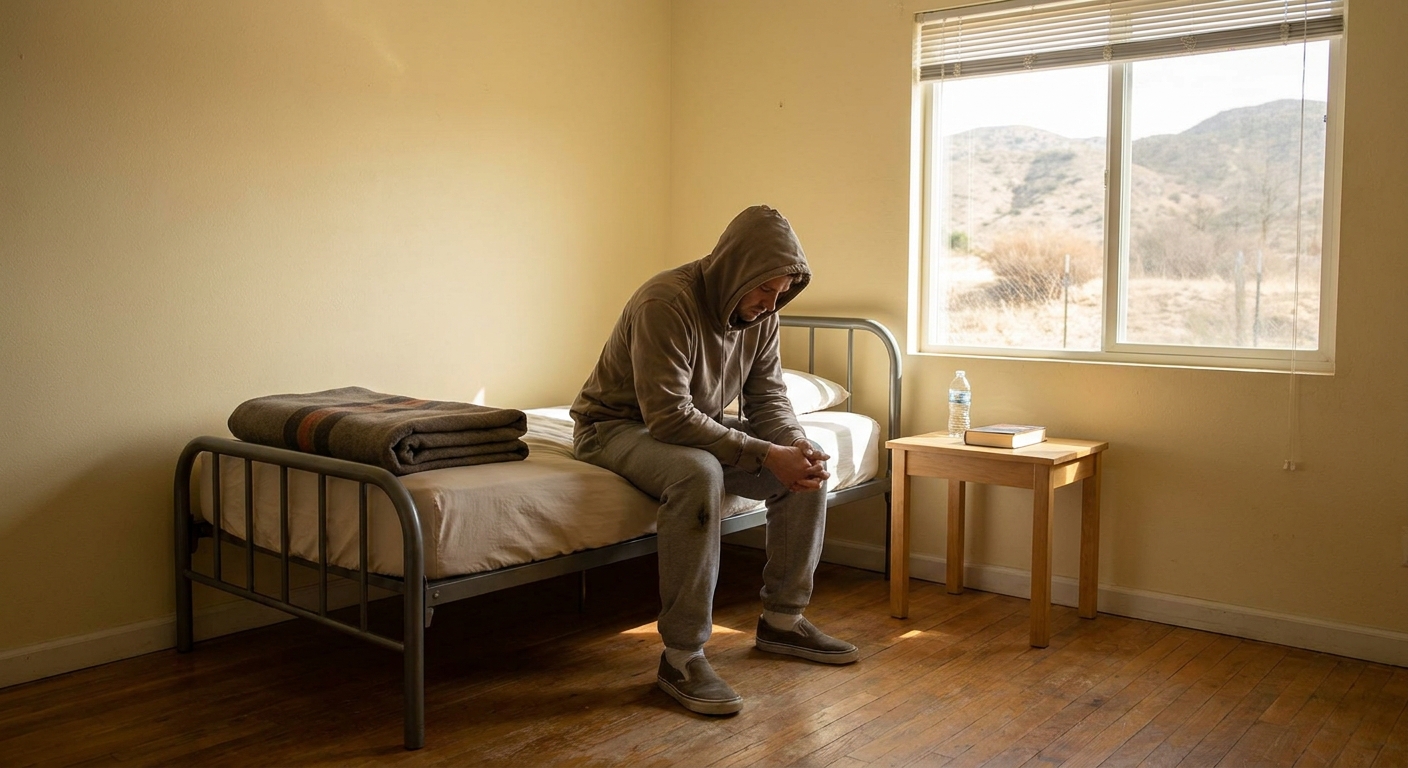
Most people walking into their first DUI class don’t know what to expect at DUI classes, and that uncertainty makes an already stressful situation worse. Here’s the straightforward picture: what happens in these programs, how long they run, and what completing one actually does for your case.
What DUI classes actually are
A DUI class is a structured education and counseling program designed to reduce the likelihood of impaired driving happening again. These are not detention, and they are not punitive in the traditional sense. They are licensed treatment and education programs with a defined curriculum, licensed counselors, and a specific schedule you follow week to week.
In California, every DUI program provider must be certified by the California Department of Health Care Services (DHCS). That certification matters because the DMV and the courts only accept completion certificates from DHCS-approved programs. An uncertified program, no matter how it presents itself, will not satisfy your court order.
Who attends DUI classes
The room looks different than most people imagine. A 2021 SAMHSA report on substance use in the United States found that impaired driving citations cut across age groups, income levels, employment status, and ethnicity, with no single demographic dominating the picture. In Riverside County specifically, courts from Lake Elsinore to Temecula to Moreno Valley send a wide cross-section of working adults: people on probation, individuals re-entering the community after incarceration, Spanish speakers, and people who enrolled voluntarily because someone close to them pushed them to get help.
The point is that you are not walking into a room full of people unlike you. Most participants are managing jobs, families, and obligations the same way you are, and they are there because a court said so, just like most of the people beside them.
Types of DUI programs and how long they run
California law sets three primary program tiers, and the court determines which one applies to your case based on your offense history and your BAC at arrest. You do not choose your tier.
The 3-month SB 38 program is available to first-time offenders with a BAC below a certain threshold. The 18-month AB 541 program applies to most standard first-offense DUI convictions. The 30-month SB 1365 program is ordered for multiple offenders or those with aggravating factors. If you are unsure which program the court ordered, your paperwork will specify it. If you need help understanding how programs are classified in California, the key is to read your court order before contacting a provider.
First-offender programs (3 months)
The 3-month program runs approximately 30 hours of total participation, split between education sessions and individual or group counseling. The education component covers alcohol physiology, how impairment affects decision-making, legal consequences, and the impact of impaired driving on victims and communities. Sessions typically meet once a week, and the curriculum follows a fixed sequence. Missing a session is not a scheduling inconvenience, it is a compliance issue that gets reported.
18-Month And 30-Month programs
Longer programs front-load the education component in the first few months, then transition into sustained group and individual counseling. The emphasis shifts toward behavior patterns, coping skills, and in many cases, support for co-occurring substance issues that go beyond a single incident.
The research consistently supports this structure. A 2019 study published in the Journal of Studies on Alcohol and Drugs found that DUI offenders who completed multi-month counseling-based programs showed significantly lower recidivism rates compared to those in short education-only formats. The mechanism is straightforward: sustained contact with a counselor over months addresses underlying patterns, not just knowledge gaps.
What happens inside a DUI class session
Walk through the door and you check in. The program logs your attendance because that record goes to the court and the DMV. Sessions run in a group format for the education and group counseling components, with separate individual counseling sessions scheduled at specific intervals depending on your program tier.
Topics covered include alcohol and drug physiology, how BAC affects the brain and reaction time, the legal consequences of DUI in California, and structured exercises around decision-making and personal accountability. Many programs use workbooks with assignments completed between sessions. A 2020 study by the Pacific Institute for Research and Evaluation found that DUI programs combining cognitive-behavioral components with education produced measurable changes in attitudes toward impaired driving, specifically when participants completed structured homework between sessions.
Attendance and compliance rules
Absences are reported. That is not a threat; it is how the system works. Most DHCS-certified programs allow a limited number of absences before flagging a participant as non-compliant, typically one or two depending on program length, but that threshold varies by provider. Non-compliance triggers a report to your probation officer or the court, which can result in a violation.
If a work shift or family obligation conflicts with a scheduled session, contact the program in advance. Providers generally have policies for handling legitimate conflicts, but showing up and explaining afterward is far less effective than communicating proactively.
In-person vs. online DUI classes
California generally requires in-person attendance for court-ordered DUI programs. Online completion is not universally accepted, and assuming a remote option will satisfy your Riverside County court order is a risk you should not take. Before enrolling in any online program, verify directly with the court or your attorney that it meets the specific requirement in your case. For a detailed breakdown of when remote attendance applies and when it does not, the comparison of in-person versus remote program formats in California is worth reviewing before making a decision.
How completion affects your case
Completing your DUI program is not optional, and the consequences of finishing versus not finishing are significant. The California DMV requires a certificate of completion from a DHCS-certified provider before reinstating a suspended license. According to the California DMV’s own published guidance, license reinstatement is contingent on program completion, regardless of how much time has passed since the conviction.
Beyond the DMV, courts view program completion as a demonstration of compliance and accountability. Probation terms are frequently tied to it. Completing the program on time, without absences flagged, reflects well in any subsequent hearings. The certificate goes directly to the DMV and the court; you do not manage that process yourself.
Common questions about DUI classes
How much DUI classes cost
Program costs in Riverside County vary by tier and provider. Longer programs cost more simply because they require more sessions and more counselor hours. California law requires licensed programs to offer sliding-scale fees based on income, so what someone else paid is not necessarily what you will pay. Medi-Cal covers DUI treatment services for eligible enrollees, which covers a significant portion of the population in Riverside County. For a full explanation of what factors drive program pricing, how DUI class costs are calculated in California breaks it down by tier and funding source. The practical step: call the program before your first session and confirm your payment options. Do not wait until intake to ask.
What should you bring to the first session
Bring your court paperwork, a valid photo ID, and any documentation related to your case that the intake coordinator requests when you schedule. Specific requirements vary by provider, so confirm the intake checklist when you make your appointment.
Will your employer find out
DUI programs are confidential under California health and privacy law. The program reports completion or non-compliance to the court and DMV; it does not contact your employer. Your conviction, however, is a matter of public record depending on how your case resolved.
What if you move out of the county mid-program
Transferring a DUI program mid-enrollment requires approval from the original court and coordination between programs. It is possible but requires planning. Contact your provider as soon as a relocation becomes likely so the transfer process does not interrupt your compliance record.
What to do before your first session
Pull out your court paperwork this week. Confirm which program tier the court ordered, and look for the deadline by which you are required to enroll. Then contact a DHCS-certified DUI program in Riverside County to schedule your intake appointment.
For people in Riverside and the southwest Inland Empire, Riverside Recovery Resources operates certified DUI programs at offices in Riverside and Lake Elsinore. Classes run in English and Spanish, and the organization offers online attendance for situations where in-person participation is genuinely not possible. Because the same organization also provides outpatient counseling and co-occurring disorder support, participants who recognize a deeper pattern behind the arrest can move into treatment without starting the intake process over somewhere new.
Finding the right program in Riverside County starts with confirming DHCS certification and then calling to ask about scheduling and intake. That one call is what puts everything else in motion.
Frequently asked questions
What is the difference between DUI education and DUI counseling?
Education sessions deliver structured curriculum content, including information on how alcohol affects the brain, legal consequences, and victim impact. Counseling sessions, which are part of longer programs, focus on individual behavior patterns, decision-making, and any underlying substance concerns. Most California DUI programs include both components, with the ratio shifting toward counseling in 18-month and 30-month programs.
Can I start a DUI program before my court date?
Yes, and doing so often reflects positively on your case. Enrolling proactively demonstrates accountability before the court requires it. Confirm with your attorney or the court which program tier to enroll in so you are not completing a program that does not match the eventual court order.
What happens if I stop attending after a few sessions?
The program will flag your non-attendance to the court or your probation officer once you exceed the allowed absences. That triggers a compliance violation, which can lead to consequences including probation revocation or additional court appearances. If circumstances change and you need to pause, contact the program immediately rather than simply stopping.
Do DUI classes address substance use beyond alcohol?
Yes. California DUI programs are required to screen for substance use disorders as part of the intake process. Counselors are trained to identify when a participant’s situation reflects a broader pattern, and DHCS-certified providers connected to larger treatment organizations can facilitate a referral or direct transition into outpatient or intensive outpatient care without requiring a separate intake process.
Is there a program available in spanish?
DHCS-certified programs in Riverside County are required to make services accessible to Spanish-speaking participants. Riverside Recovery Resources offers DUI classes in Spanish at both the Riverside and Lake Elsinore locations. When searching for a program that fits your language needs, confirm directly with the provider that Spanish-language sessions are available at the location and time that works for your schedule.