
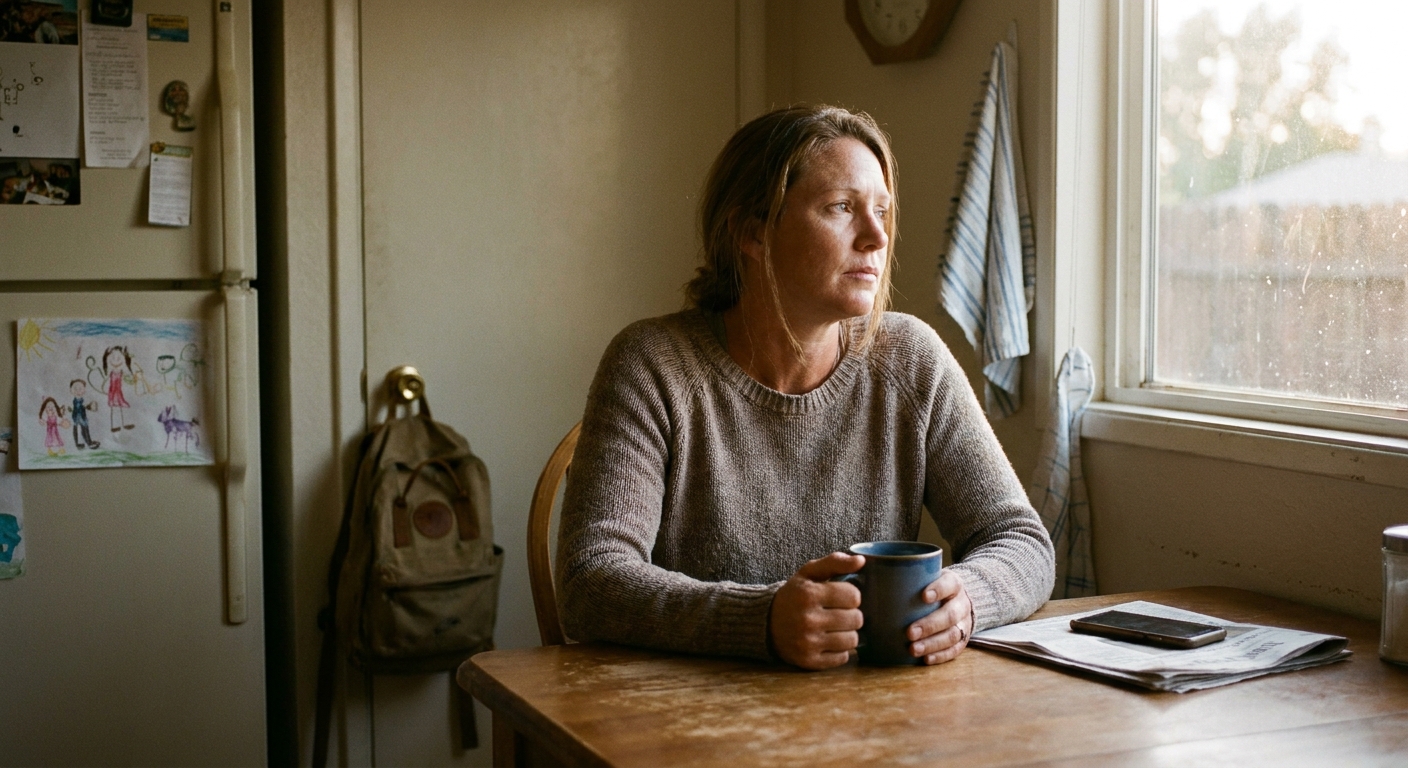
No state ranking can tell you whether your family can get meth treatment this week. The question behind your search is really whether help is close enough to reach from home. If you typed “what’s the worst state for drugs?” while worrying about a son, daughter, or spouse, you may have been trying to learn whether California is a hard place to find help. Rankings change depending on what they measure, and none of them decides what happens next for your family.
The decisions that matter are smaller and closer to home. What level of care may fit the person you love? What can the first month off meth feel like? Who do you call, and how do you pay? The seven points below address those questions for families in Riverside and Lake Elsinore, where Riverside Recovery provides intensive outpatient treatment for stimulant addiction.
1. What’s the worst state for drugs? Why no single answer exists
No single worst state exists. Every ranking measures something different, and the numbers change from year to year. A state can look alarming on one measure and fairly ordinary on another, so the “worst” label depends on which numbers someone chose to rank.
Most rankings draw from four kinds of data:
- Use rates come from surveys. The federal National Survey on Drug Use and Health asks people about their own substance use and whether they received treatment, and its estimates carry margins of error.
- Overdose deaths come from death certificates. They reflect how dangerous the local drug supply is, not only how many people use.
- Arrest counts reflect policing priorities as much as drug use.
- Treatment access measures how many providers or programs exist for the population.
A website that blends these four measures with its own weighting can produce almost any order it wants.
Timing matters as well. Overdose counts often trail by a year or more, and survey estimates are released on their own schedule, so a ranking you find today may rest on data that is two or three years old. Before you trust any answer to “what’s the worst state for drugs?”, open the original source, check which year it covers, and confirm which measure it uses. You will often find that it says less about your situation than the headline suggests. Even accurate state data describes millions of people. It cannot tell you whether a program near your home has room for your loved one, or whether that program is a fit.
2. Why a ranking does not predict your own options or outcome
A state ranking describes a whole population, so it cannot predict what will happen to one person. Your loved one’s path depends on their health, the people around them, and the care they can reach, and you may have some influence over all three.
You may be searching because you are afraid, and maybe this is not the first time. You might worry that treatment will end the way it did before, with a few good weeks followed by a return to use. You might wonder whether a program will truly care about your child or spouse, or whether it mostly wants your money. You might not even know whether your loved one will agree to go, and you cannot force an adult to walk through a door. Each of those fears is understandable, and each one deserves a real answer from a real person, not from a map.
Some things are within your control today. You can make a first call, ask what an assessment involves, and learn which level of care may fit before anyone commits to anything. Riverside Recovery describes its approach as free of stigma, bias, or judgment, which can matter when you are calling about someone you love and are tired of explaining yourself. No program can promise a particular result, and it is reasonable to be wary of any that does. A first conversation can help you get a clearer picture and one concrete next step.
3. Which level of care may fit meth use, and what does Riverside Recovery offer?
The level of care to look for is the one that matches your loved one’s health, safety, and daily life. For some people who can stay safely at home, that may mean intensive outpatient treatment. Riverside Recovery’s confirmed levels of care include intensive outpatient (IOP) and outpatient care, and stimulant addiction and co-occurring disorders are among its named specialties.
Meth addiction treatment may involve one or more of these stages, depending on what the person needs:
- Medical detox: round-the-clock medical monitoring while substances leave the body. Riverside Recovery does not offer detox, so this would happen elsewhere first if it is needed.
- Residential care: living on site with daily treatment and supervision. Riverside Recovery does not offer residential care.
- Partial hospitalization (PHP): full-day treatment most weekdays, with the person returning home at night. Riverside Recovery does not offer PHP.
- Intensive outpatient (IOP): scheduled sessions several days a week while the person lives at home. This is Riverside Recovery’s core program for stimulant addiction.
- Outpatient care: fewer sessions each week, often a step down after IOP. Riverside Recovery offers outpatient care as well.
Intensive outpatient treatment offers structure without taking someone out of their life. The person attends scheduled sessions and goes home afterward, which can make IOP a practical option for someone who needs to keep a job, care for children, or stay close to family while getting treatment. Ask Riverside Recovery about its specific schedule during your first call. The co-occurring disorders specialty may also matter, because meth use and mental health conditions such as depression or anxiety can appear together, and care that addresses only one of them may leave the other unaddressed.
If your loved one needs detox, residential care, or partial hospitalization first, they would need to start that care elsewhere. Outpatient care may be a next stage afterward.
| Level of care | What it involves | Who it may fit | At Riverside Recovery |
|---|---|---|---|
| Medical detox | Round-the-clock medical monitoring while substances leave the body | People with heavy mixed-substance use, especially alcohol, benzodiazepines, or opioids, or with serious health concerns | Not offered; seek this first elsewhere if needed |
| Residential | Living on site with daily treatment and supervision | People who cannot stay safe or stop using at home, or whose home is unstable | Not offered; seek this elsewhere if needed |
| Partial hospitalization (PHP) | Full-day treatment most weekdays, returning home at night | People who need more structure than outpatient care but do not need to live on site | Not offered; seek this elsewhere if needed |
| Intensive outpatient (IOP) | Scheduled sessions several days a week while living at home | People who are medically stable, have a reasonably safe home, and need to keep working or caring for family | Yes, a confirmed level of care |
| Outpatient | Fewer sessions each week while living at home | People stepping down from more intensive care or who need ongoing support | Yes, a confirmed level of care |
Some signs may point toward a higher level of care first. These include being unable to go even a day without using, paranoia or hallucinations, talk of suicide, or heavy use of other substances. If none of those apply and home is reasonably safe, IOP may be one starting point to consider, and an assessment is the place to discuss that.
4. What does meth withdrawal look like, and when is a medical check needed first?
Meth withdrawal often looks less like a medical emergency and more like a crash. Common signs can include deep exhaustion, low mood, disrupted sleep, and strong cravings that may last for weeks. A medical check should come first if your loved one has severe depression, any suicidal thoughts, or heavy use of other substances.
In the first few days after stopping, many people sleep far more than usual, eat more, and seem flat or irritable. Someone who was up for days at a time may now struggle to get out of bed. As that first stretch passes, the exhaustion may give way to a harder phase. Mood can stay low, sleep can stay uneven, and cravings can arrive suddenly, set off by a certain street, a certain friend, or a stressful phone call. This is a time when a person may decide they “just need a little” to function, which is one reason the first weeks carry a risk of returning to use.
Early structure may help for that reason. Scheduled sessions can give the days a shape when motivation is low, and they create a regular time to talk about mood, sleep, and cravings instead of facing them alone. For a family, structure can also mean you are not the only one watching for warning signs.
Some situations call for a medical evaluation before outpatient care begins. Seek one if your loved one shows signs of severe depression, says they want to die or have no reason to go on, or has been using alcohol, benzodiazepines, or opioids heavily alongside meth, since withdrawal from some of those substances can be medically dangerous without supervision. If anyone is in immediate danger or talking about suicide, call or text 988 right away, or call 911. Nothing in this article can diagnose your loved one. Only a clinician who meets them can decide whether a medical check needs to come first.
5. How do you start: what happens from the first call to a plan?
You start with one phone call, and you can make it yourself before your loved one is ready. From there, the usual path moves through a short screening, a fuller assessment, a review of which level of care may fit, and a plan.
Here is the general sequence many families can expect. Confirm the specifics with Riverside Recovery when you call:
- Make the first call. You can call on your own to ask questions, explain what you are seeing at home, and learn how intake works. Your loved one does not need to be on the line for this first conversation.
- Answer screening questions. Expect questions about which substances are involved, how often and how much, any other substances, mental health symptoms, and current safety concerns.
- Schedule an assessment. This is a fuller conversation with the person seeking treatment. It looks at substance use, health, mental health, home life, and any legal requirements, so the recommended level of care reflects the person.
- Review options and fit. If intensive outpatient may fit, you talk through schedules and next steps. If a higher level of care is needed first, ask for guidance on where to look, so your loved one can consider outpatient care afterward.
- Agree on a plan. The plan should spell out the schedule, what each week involves, how payment works, and how family members can stay informed with your loved one’s permission.
How quickly someone can begin, what the hours are, and what to bring are all things to confirm directly with Riverside Recovery, because those details can change. You can read more about meth and cocaine addiction counseling in Riverside and Lake Elsinore before you call.
If your loved one is not ready, your call still counts. Learning the process ahead of time means that when an opening comes, such as a hard morning, a scare, or a court date, you may already know what to say and where to go.
6. Can you get help near home if DUI or court requirements are involved?
Riverside Recovery serves Riverside and Lake Elsinore, and alongside its intensive outpatient treatment for stimulant addiction, it offers programs that often matter to people with court-linked needs.
Meth use and legal trouble often arrive together. A DUI, an arrest, or a family court matter can be the moment a family sees how serious things have become. Being able to handle treatment and court-related programs with one provider, close to home, may reduce some of the scheduling and travel strain at an already hard time. Riverside Recovery’s programs include:
- DUI Classes
- Anger Management
- Life Skills
- The STOP Program
- Batterer’s Intervention Program
Before enrolling, ask your loved one’s attorney or probation officer exactly what the court requires: which kind of program, how many hours, and what proof of completion is needed. Then confirm with Riverside Recovery whether a specific program meets that requirement and what documentation it provides. Checking early may help you avoid a frustrating restart later.
Does insurance cover meth rehab in Riverside, and how do I verify it?
Court requirements are one practical question, and cost is usually the next. Many health plans include some coverage for substance use treatment, but the only way to know what applies is to verify your loved one’s specific plan. Riverside Recovery accepts Medicaid, so that is the first option to confirm during your first call.
More broadly, HealthCare.gov explains that marketplace plans must cover mental health and substance use disorder services. Federal parity rules described by CMS generally limit how much more restrictive a plan’s addiction benefits can be compared with its medical benefits. To verify, call the member services number on the insurance card. Ask whether intensive outpatient treatment is a covered benefit, whether prior authorization is required, and what copays apply. Then share what you learned with Riverside Recovery. If your loved one’s coverage is not Medicaid, ask directly what your options are.
7. Is there free or low-cost help in Riverside County?
The free, confidential SAMHSA National Helpline at 1-800-662-4357 can refer you to local services at any hour, and Riverside County runs public behavioral health services for residents. If your loved one has Medicaid, Riverside Recovery accepts it.
The helpline can be useful when you do not know where to begin or need options beyond a single provider, including facilities that offer the detox or residential care described earlier. The federal FindTreatment.gov locator lets you search by location and filter by payment type, which can help when you are comparing options near Riverside or Lake Elsinore. For county services, check Riverside County’s official behavioral health website for current phone numbers and walk-in details, since those can change and a number copied from an old page may no longer work.
Low-cost help is not necessarily lesser help. The questions to ask are the same wherever you call: Does this level of care fit? Who will we talk to? How do we pay? What happens in the first week?
When you are ready, call Riverside Recovery to ask about an assessment for intensive outpatient meth treatment, and confirm Medicaid coverage or other payment options during that first conversation. Before you dial, write down three things: what your loved one uses, how often, and any other substances or mental health symptoms you have noticed. Those answers can shape your loved one’s plan far more than any answer to what’s the worst state for drugs.
Rankings Don’t Have to Decide Your Next Step
Whatever a state-by-state list says, the question that matters is how meth is affecting you or someone you love right now. If you’re weighing treatment close to home, Riverside Recovery offers an Intensive Outpatient program for people in Riverside and Lake Elsinore who want real support while staying connected to daily life. Reaching out is a small step, and the office can talk through what fits your situation.
Experiences with treatment vary from person to person, and this article offers general information only, not medical advice or a diagnosis.